Selected Series · 2023 — 2026

The Work

Across his series, Hasegawa examines impermanence, obsession, moral ambiguity, memory, and cultural displacement — through repetition, material transformation, and embodied process.

01 / Series

Flower Rites

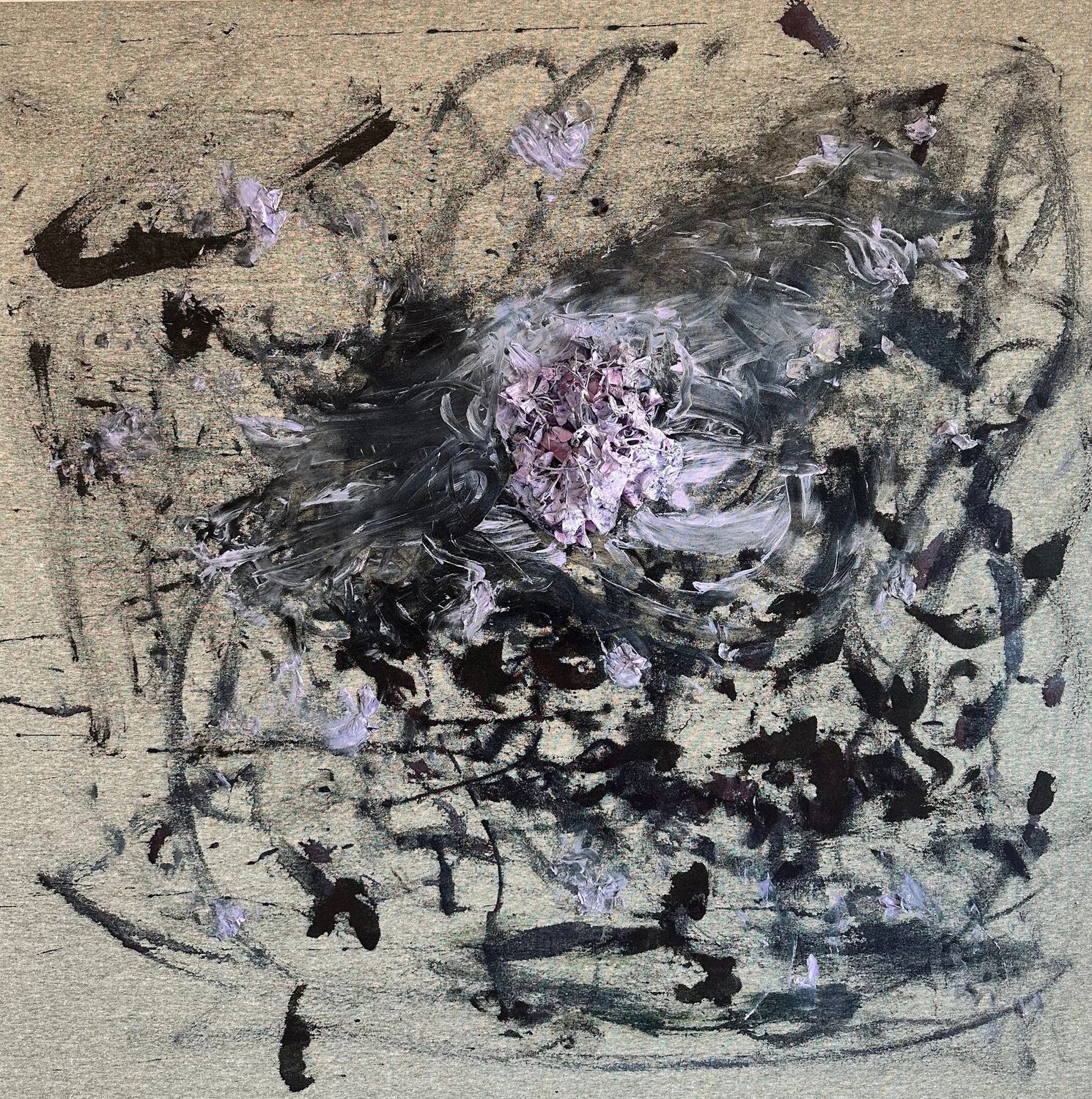
Hydrangeas · calligraphy brushes · crayons

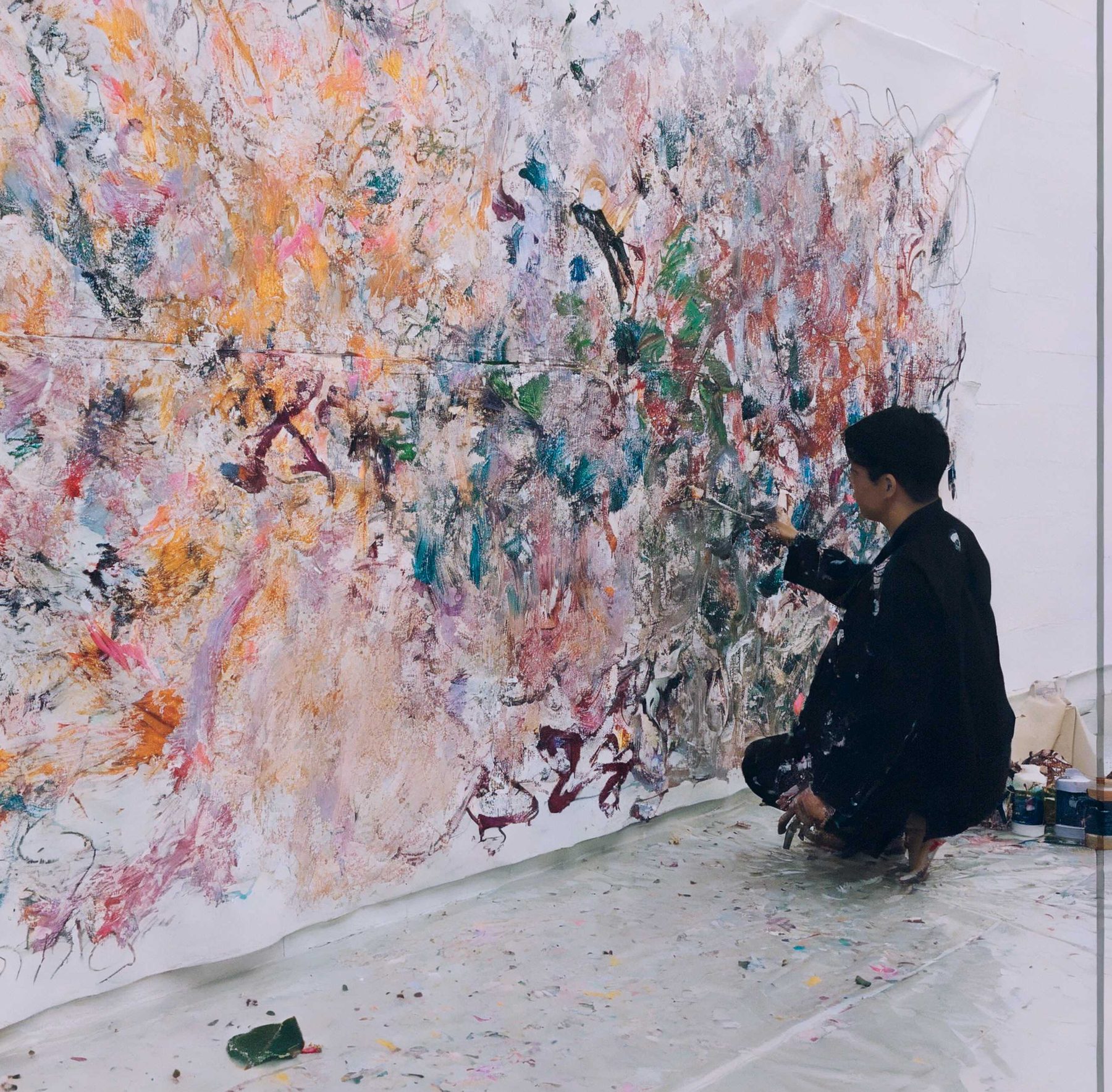
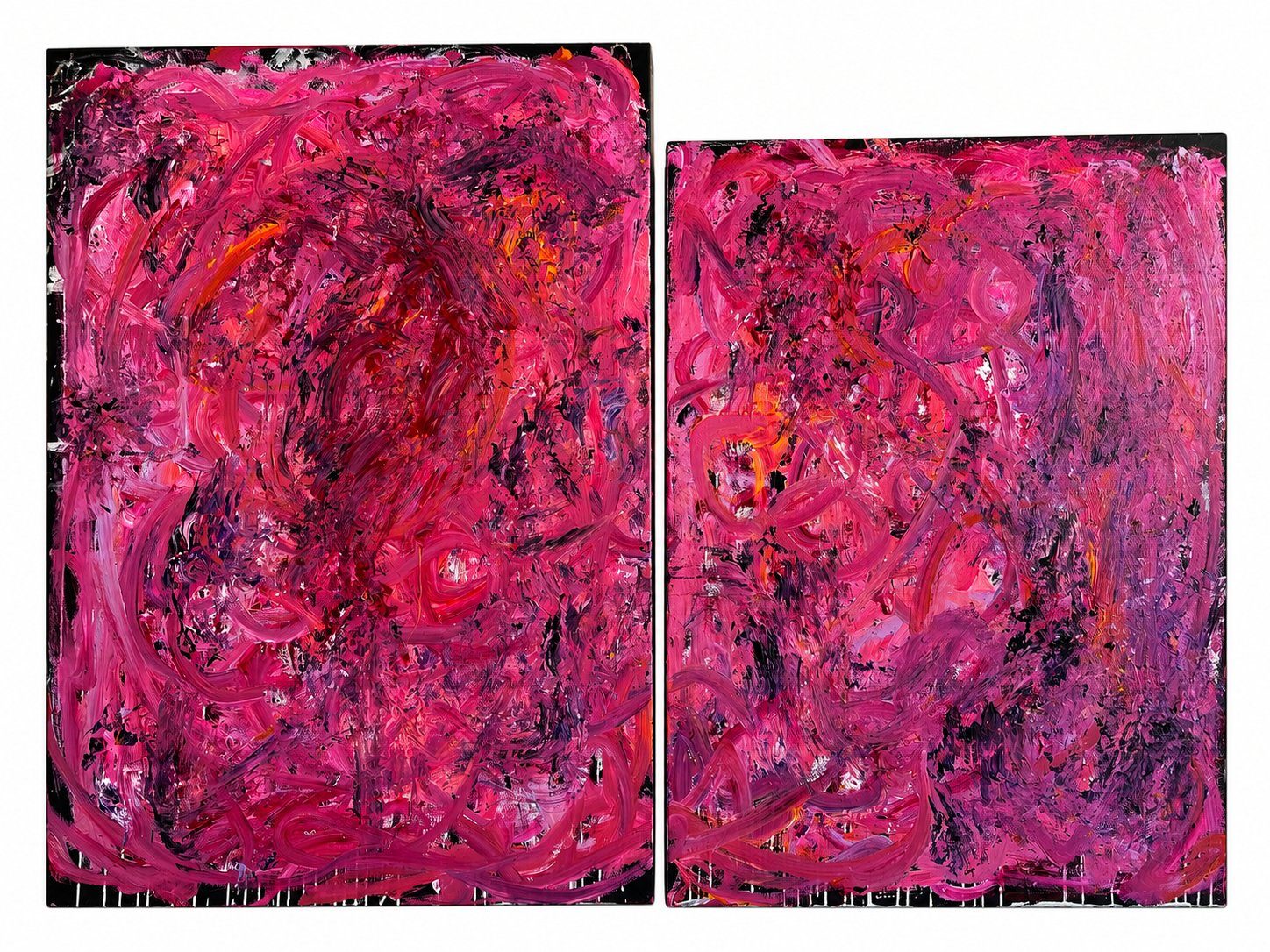
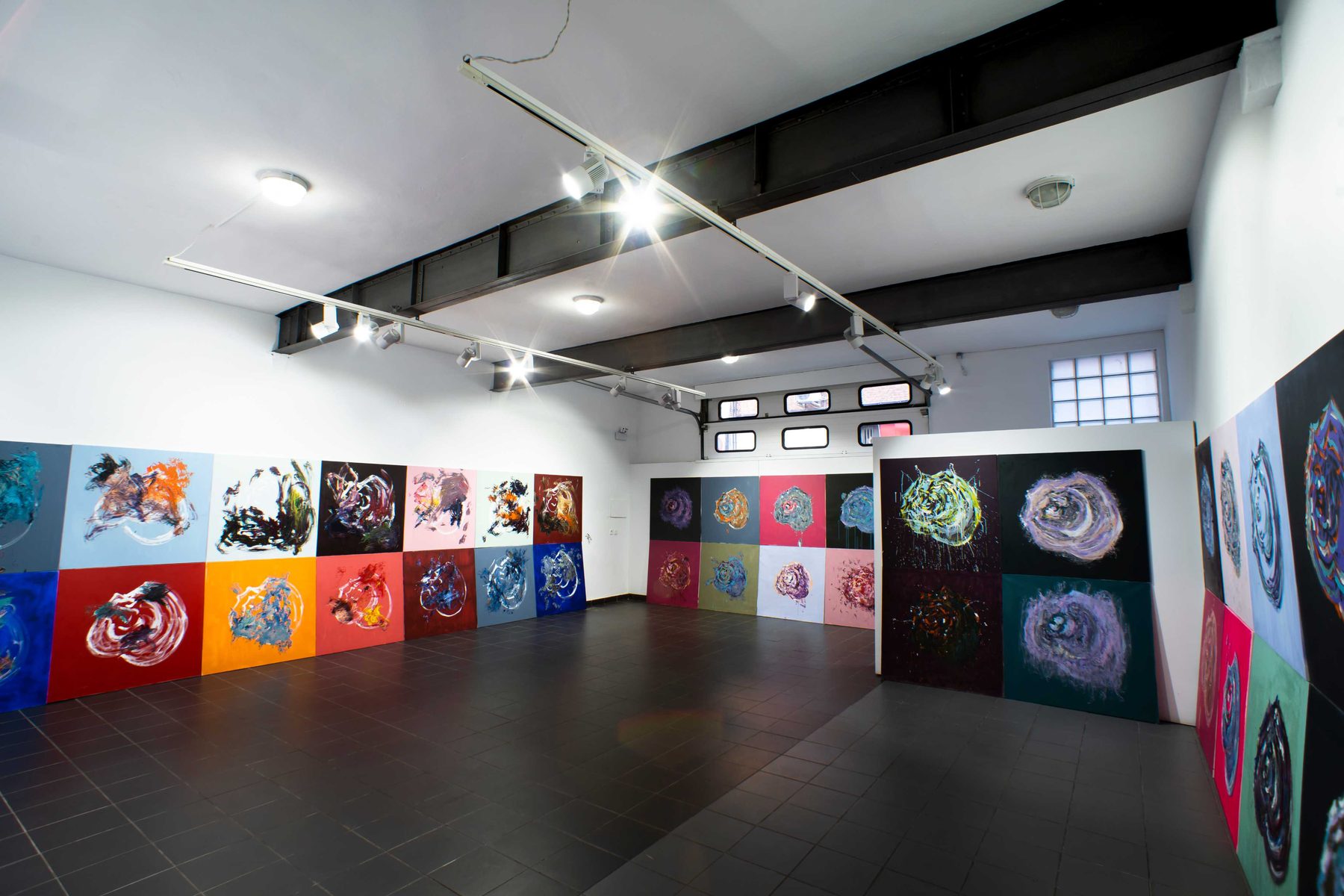
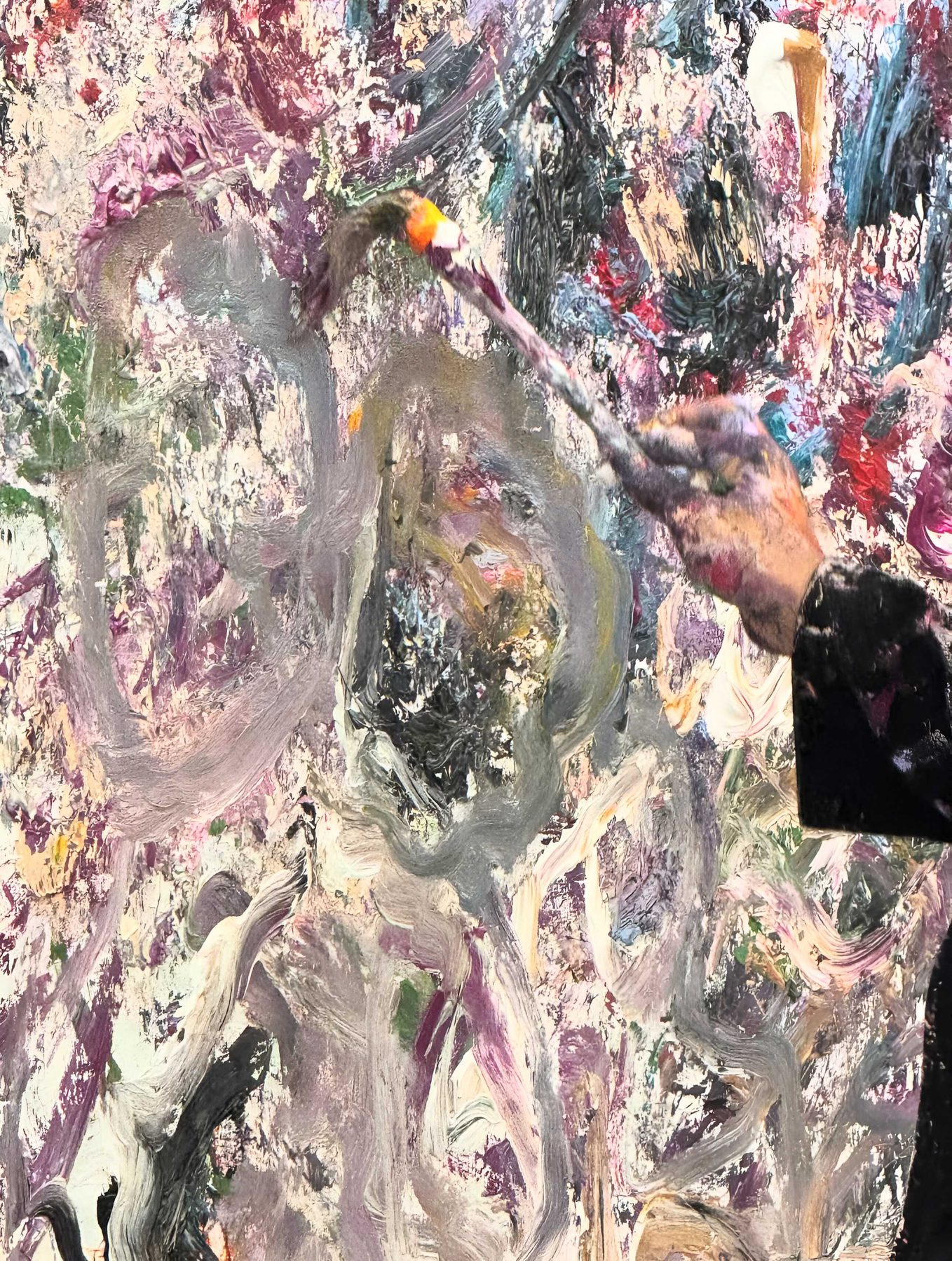
Flower Rites approaches painting as a ritualized, embodied process shaped by shifting emotional, sensory, and psychological states. The works emerge through focused immersion in which bodily movement, sound, material interaction, and perception converge in real time.

Informed by the spatial understanding of ritual in Shinto practice, the canvas becomes a provisional perceptual space — activated through action and attention, then dissolving once the act concludes, leaving only material traces of a transient convergence between body, cognition, sensation, and environment.
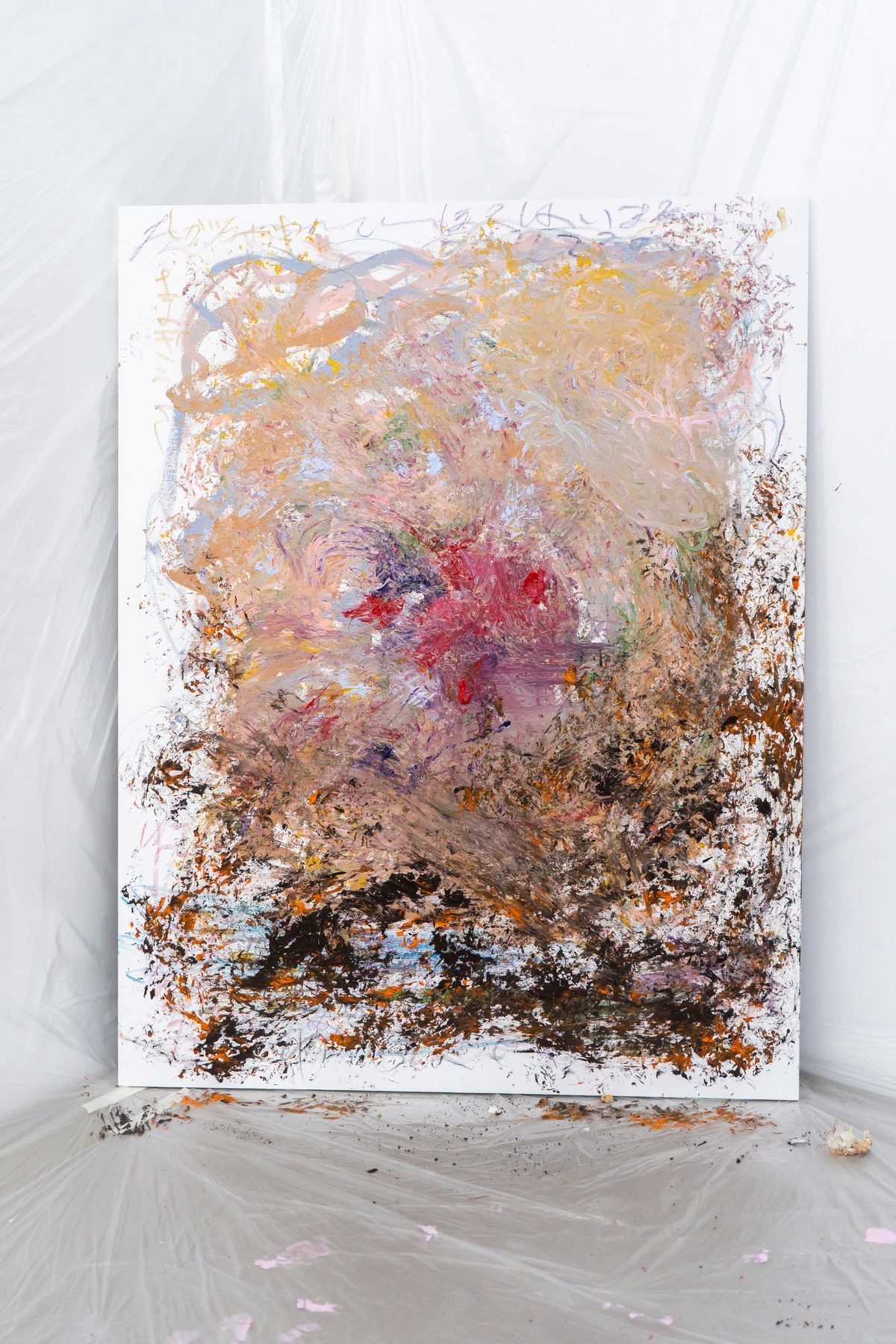
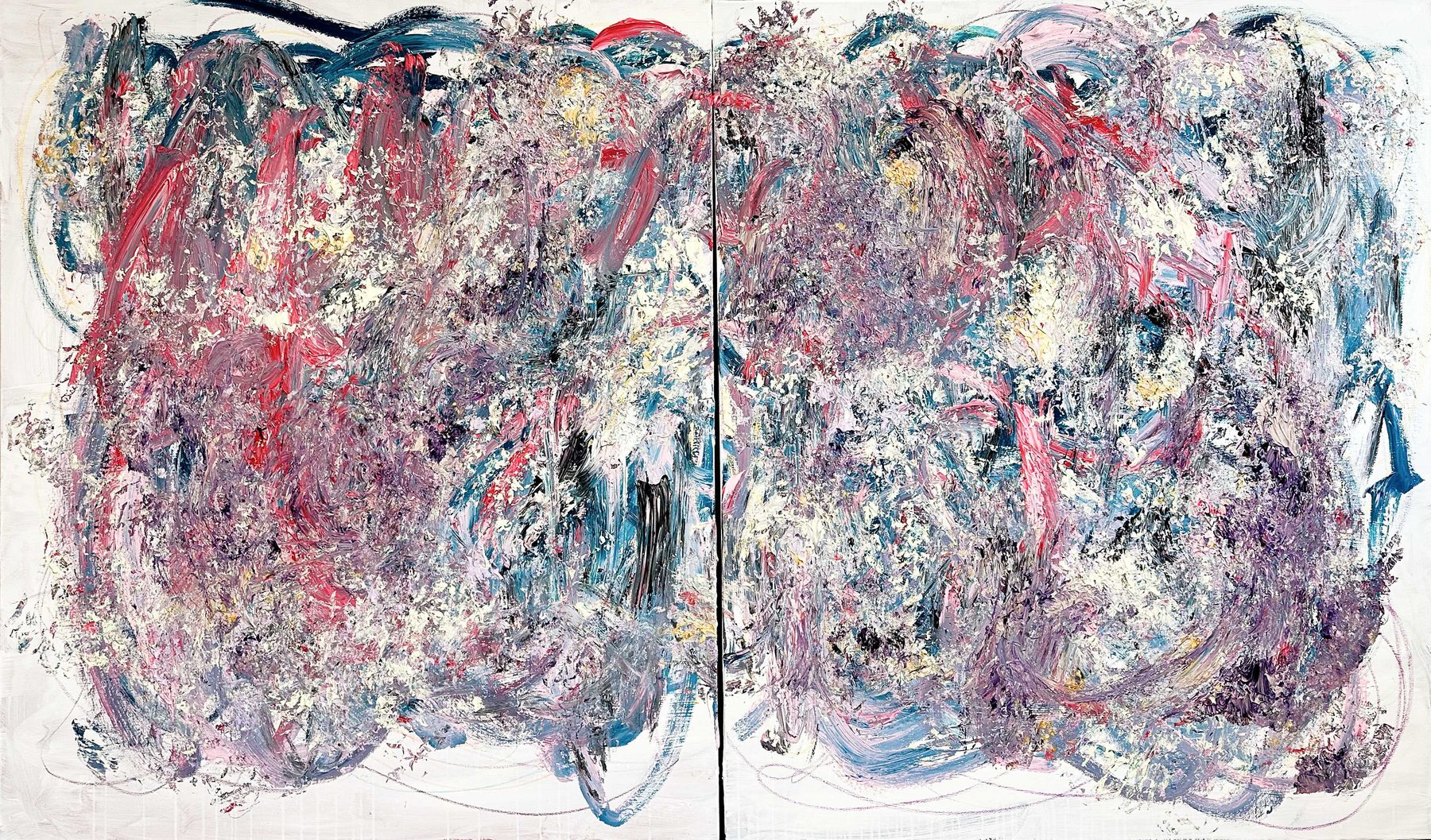
I-NO-RI on canvas
I-NO-RI2025 · Acrylic and crayons on canvas (painted with hydrangea flowers and calligraphy brushes) · 120 × 200 cm
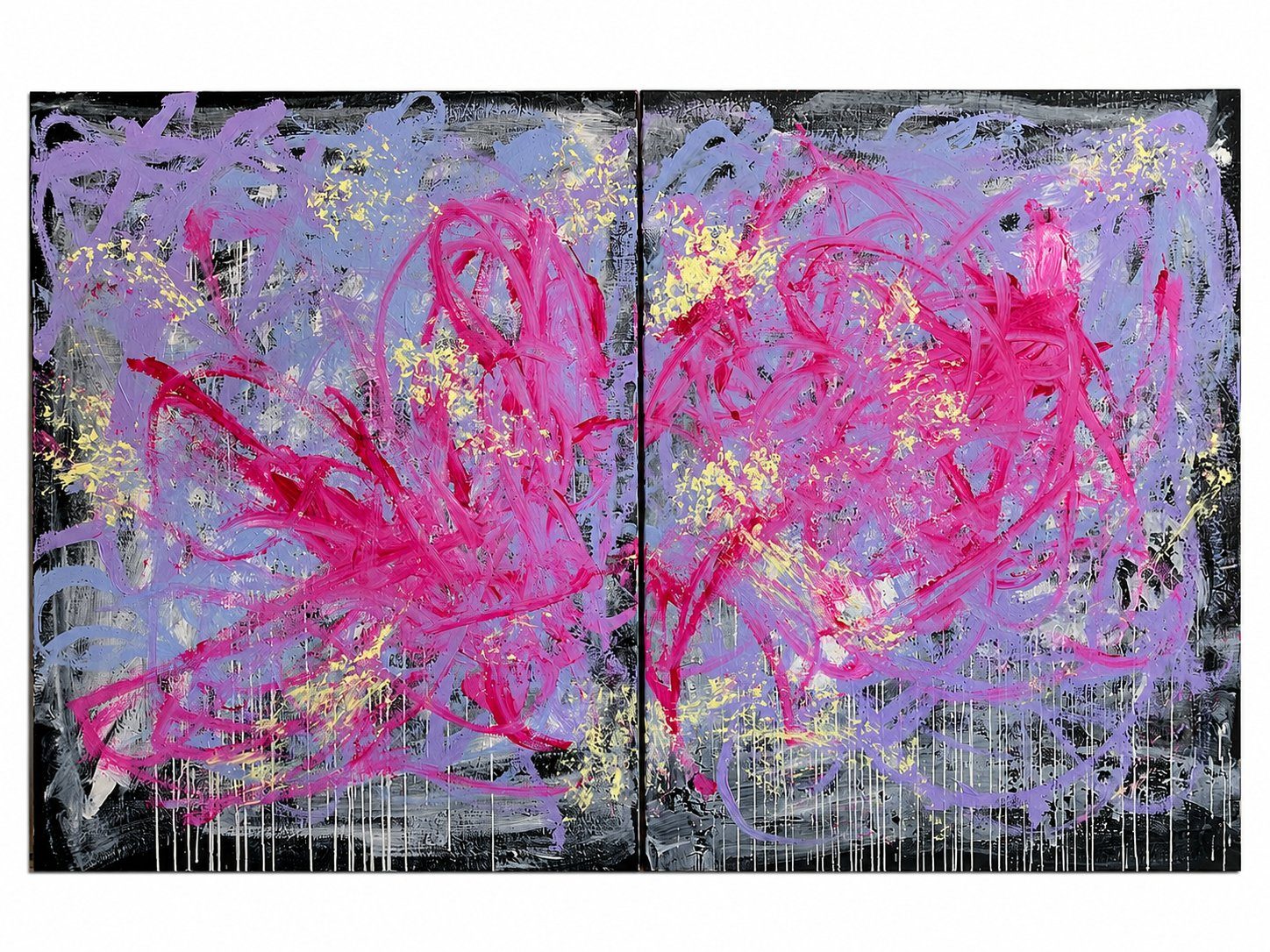
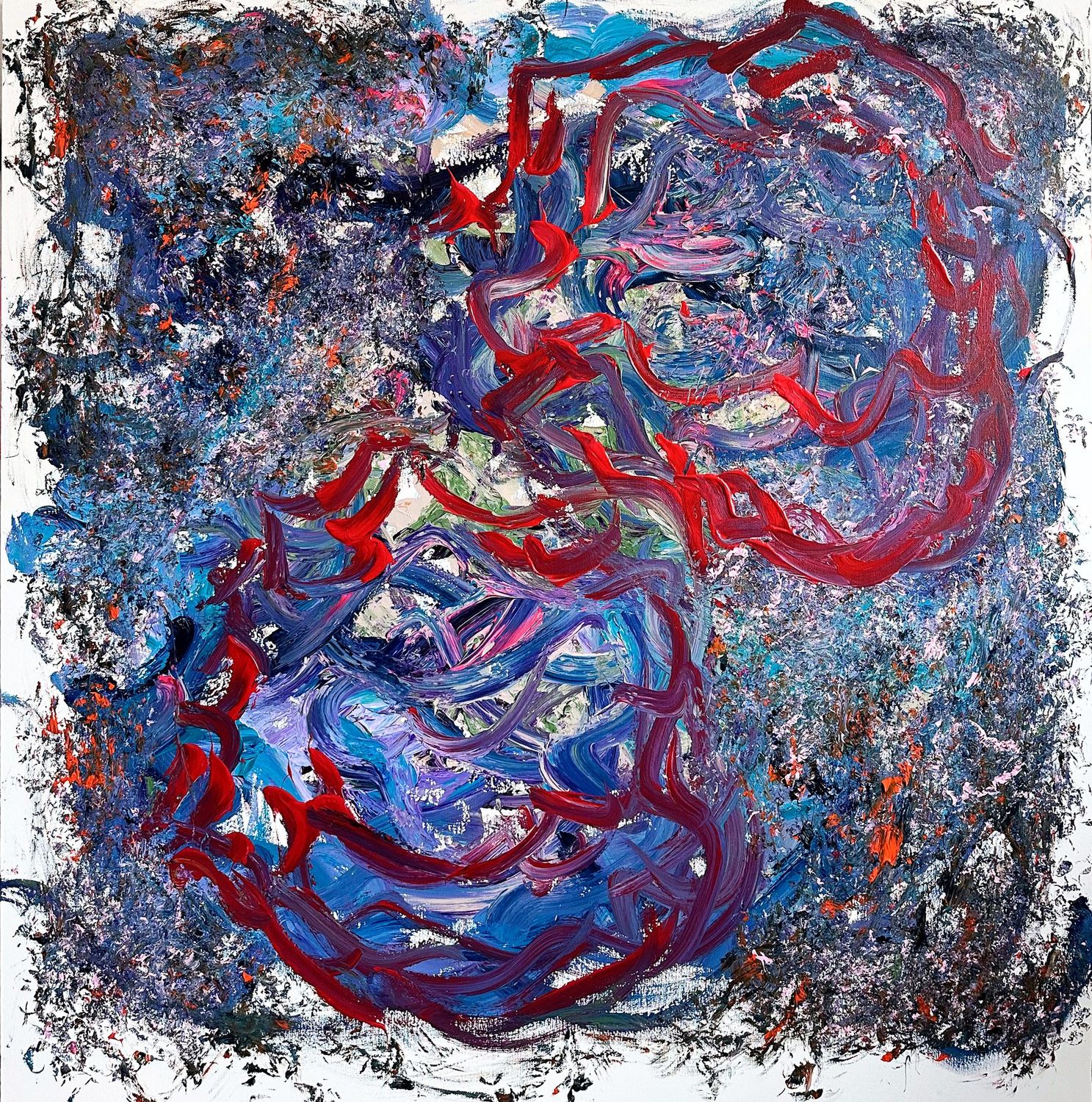
Two Hearts on canvas
Two Hearts2026 · Acrylic and crayons on canvas · 150 × 130 cm
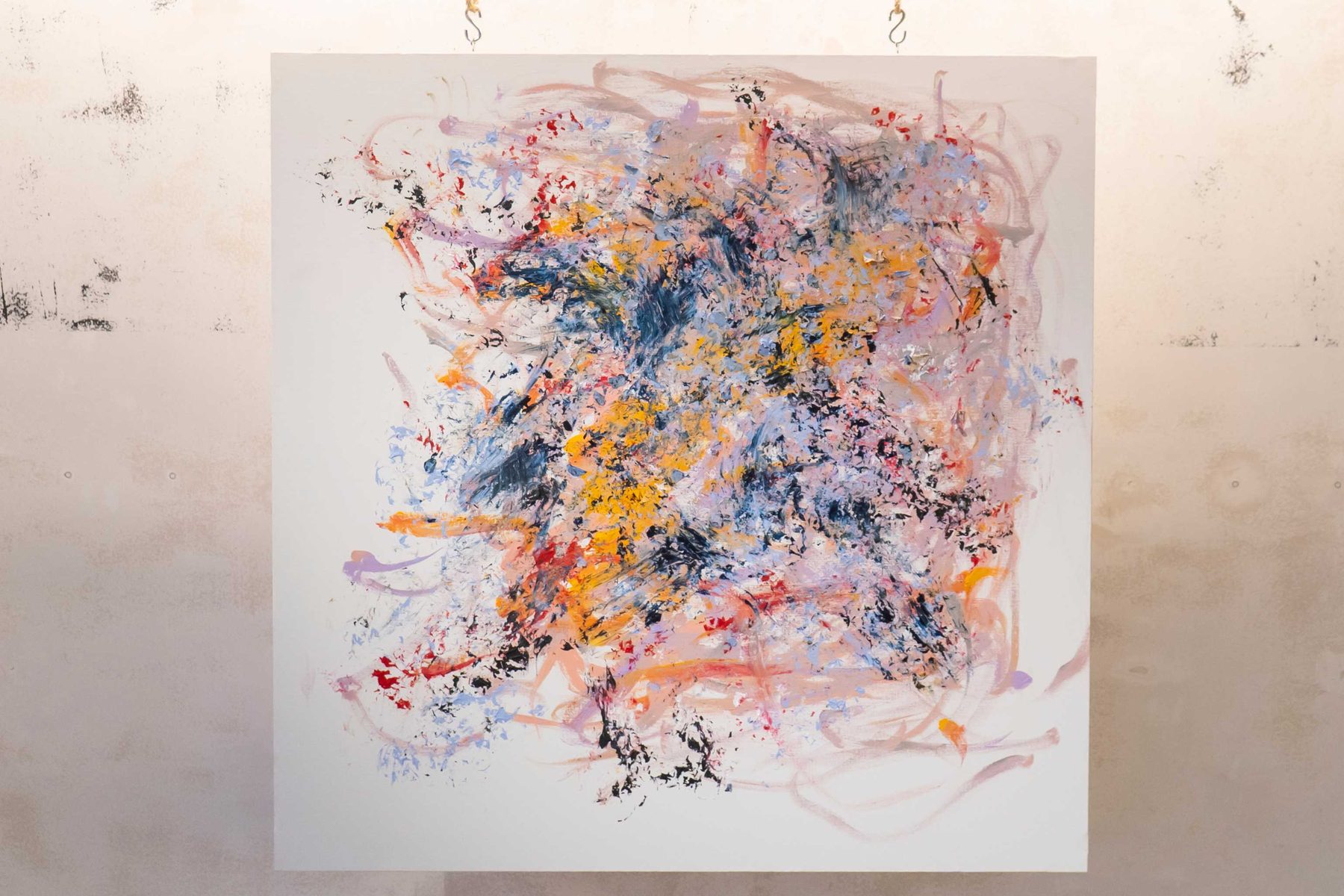
Two Hearts, match powder and crayons
Two Hearts2026 · Acrylic, match powder, and crayons on canvas · 120 × 120 cm
Flower Rites detail
Two Hearts (detail)2025 · Acrylic and crayons on canvas · 5 m × 2 m
Flower Rites diptych
Flower Rites — Untitled (Diptych)Acrylic on canvas
Convergencia transitoria, diptych on canvas
Convergencia transitoria2026 · Acrylic on canvas (diptych) · 116 × 178 cm
Temperature of My Touch, diptych on canvas
Temperature of My TouchAcrylic on canvas (diptych)
The Weight Of My Sensation, on canvas
The Weight Of My SensationMixed media on canvas (painted with hydrangea flowers and calligraphy brushes)
Duality Within Pollen, on canvas
Duality Within PollenAcrylic on canvas (painted with hydrangea flowers and calligraphy brushes)
02 / Series

Obsession

An intense attraction towards something

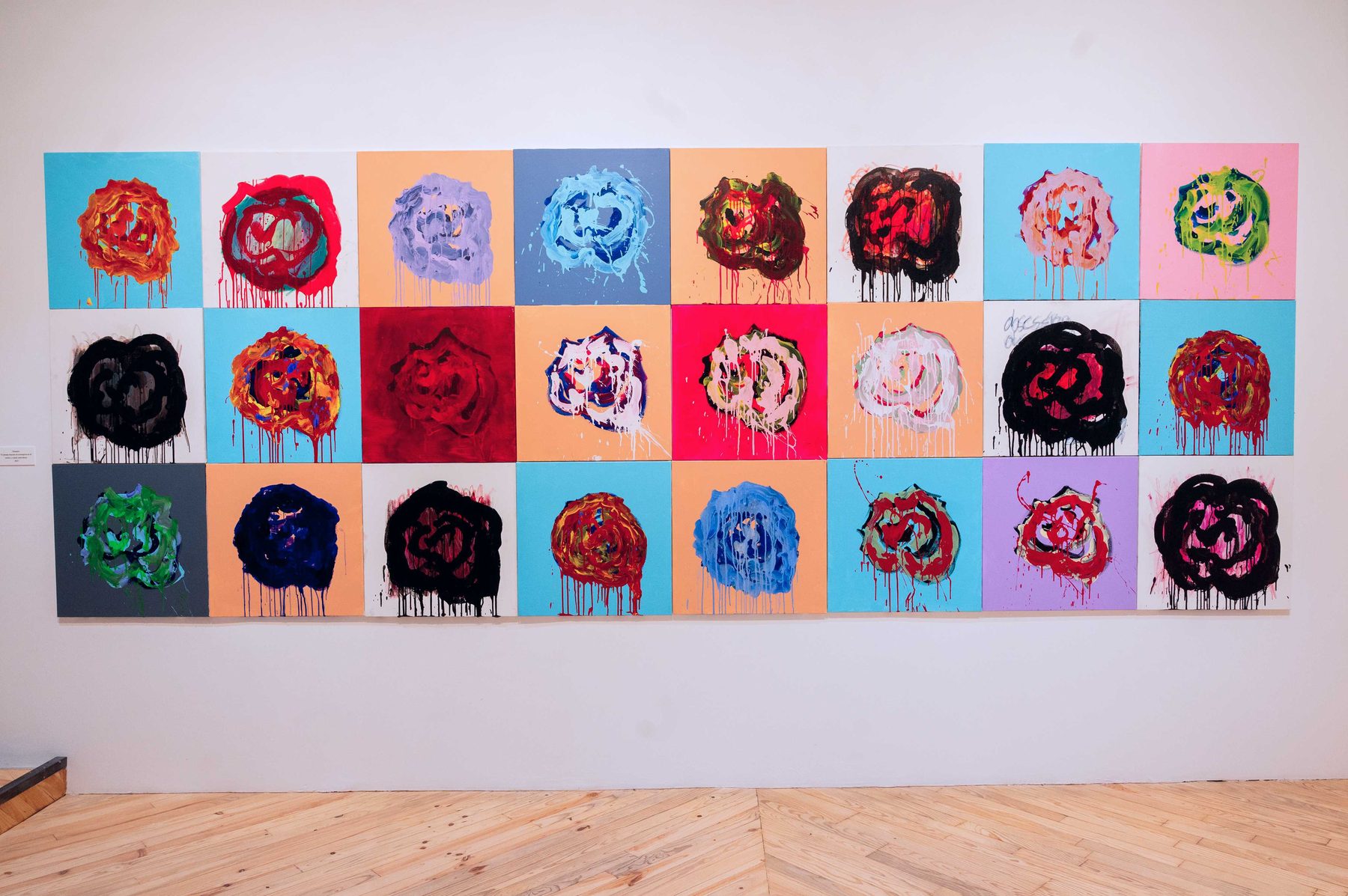
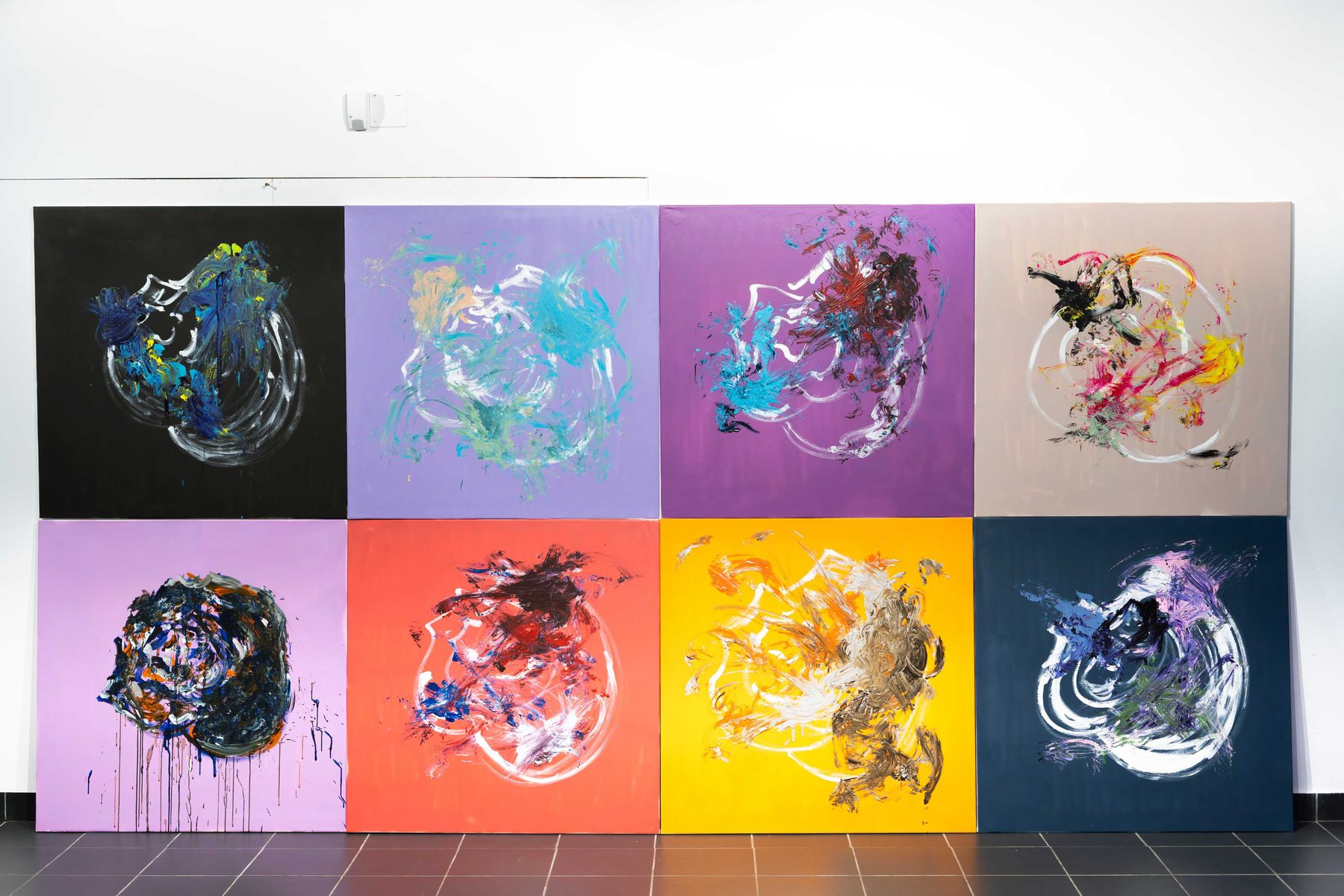
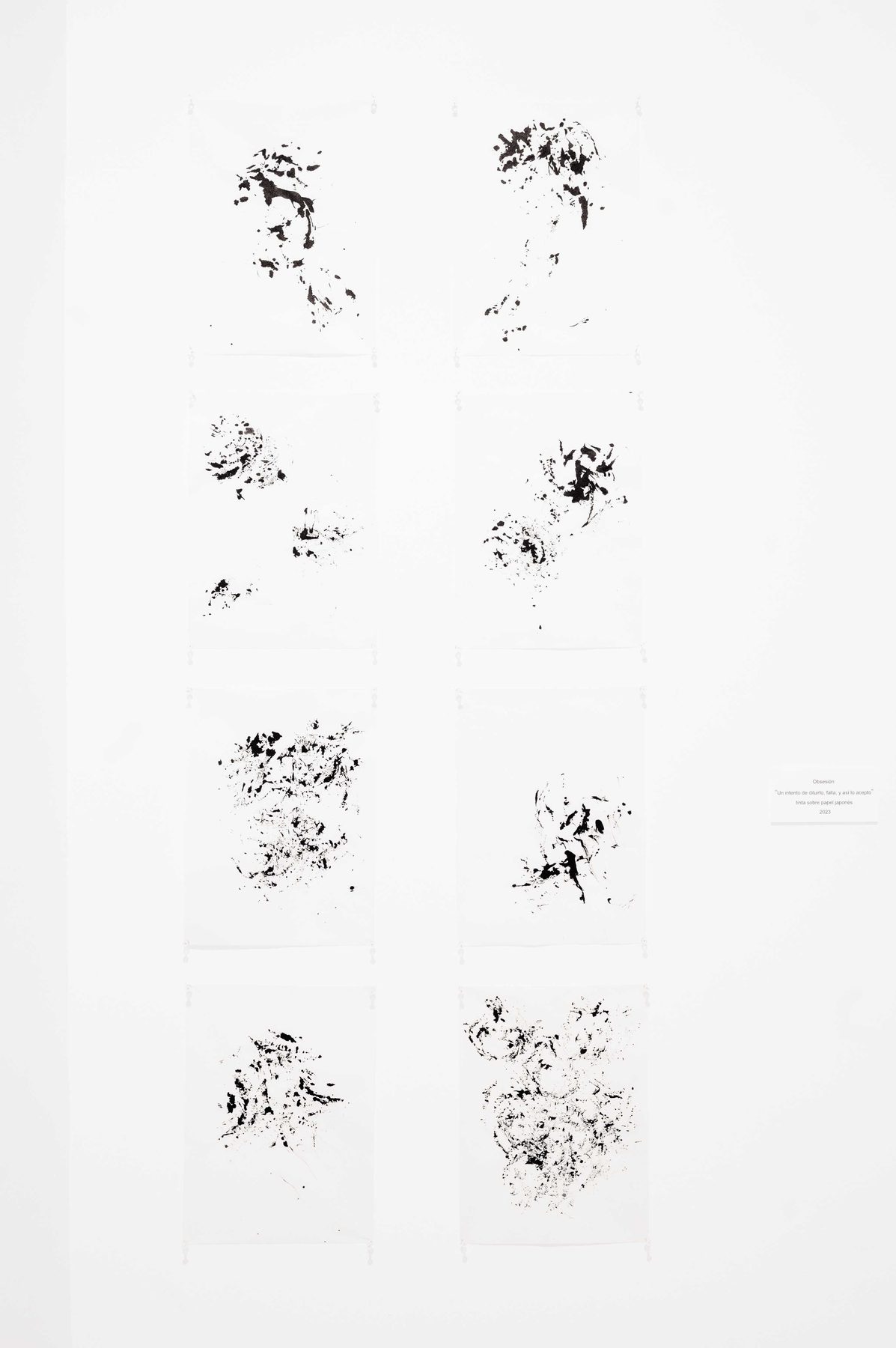
Obsession investigates repetition as both a psychological condition and an embodied process. Through the repeated painting of roses with Japanese calligraphy brushes and real roses, the series produces accumulative surfaces shaped by sustained attention, compulsive gesture, and ritualized movement.

What may initially appear monotonous gradually reveals subtle differences generated through prolonged concentration. Obsession is not represented, but enacted — repetition becomes a temporal, embodied condition through which cognition, desire, memory, and material process continuously interact.

Humanized Robots, Robotized Humans, and Our Obsession
Humanized Robots, Robotized Humans, and Our Obsession2025 · Mixed media on canvas · 1 m × 1 m × 50 pieces
Humanized Robots installation view
Humanized Robots, Robotized Humans (installation)2025 · Mixed media on canvas · 50 pieces
Obsession — installation of 8 panels
Obsession — Untitled (8 panels)Mixed media on canvas
03 / Series

Transition

Burned flowers · resin · Japanese paper

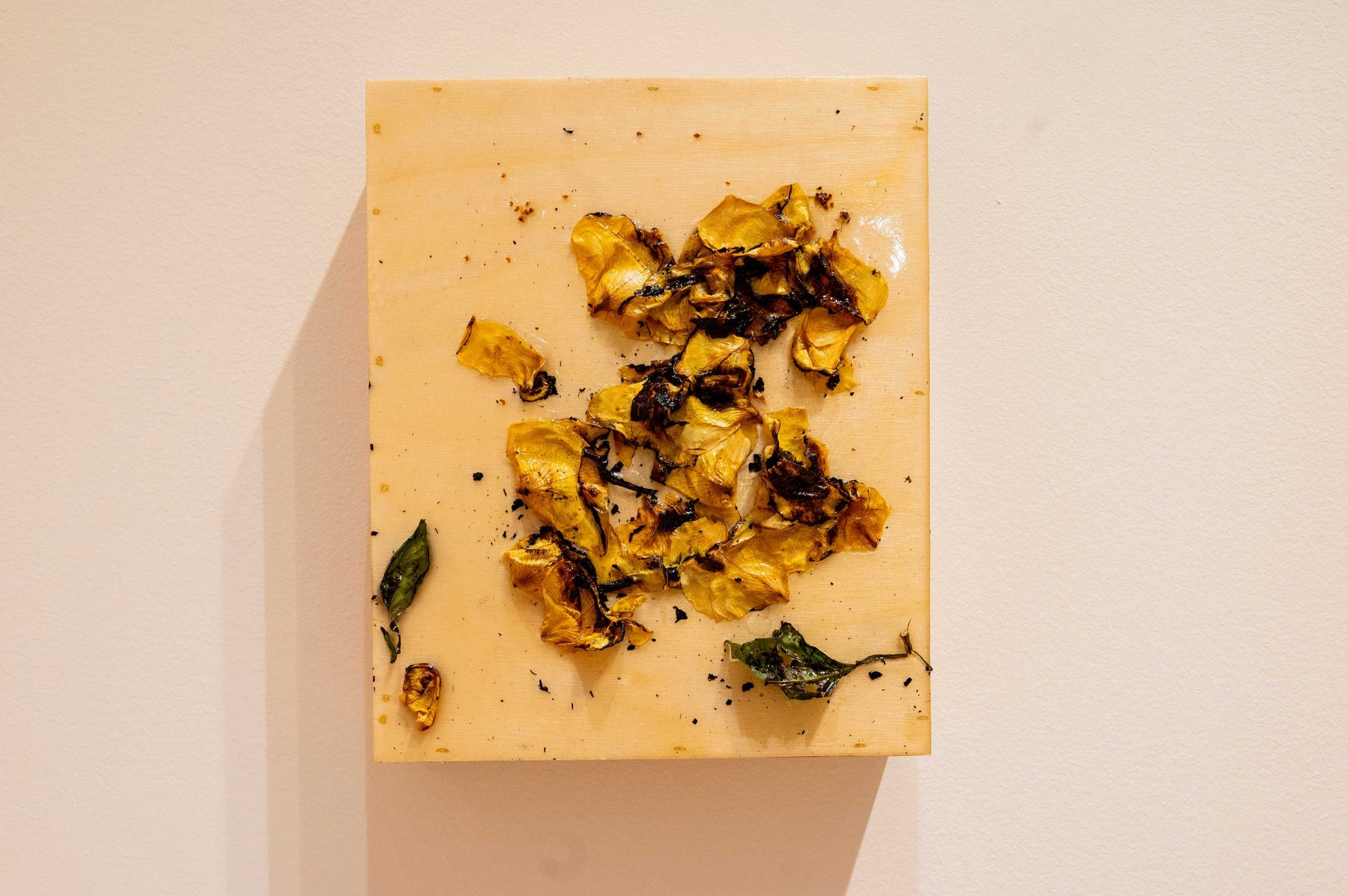
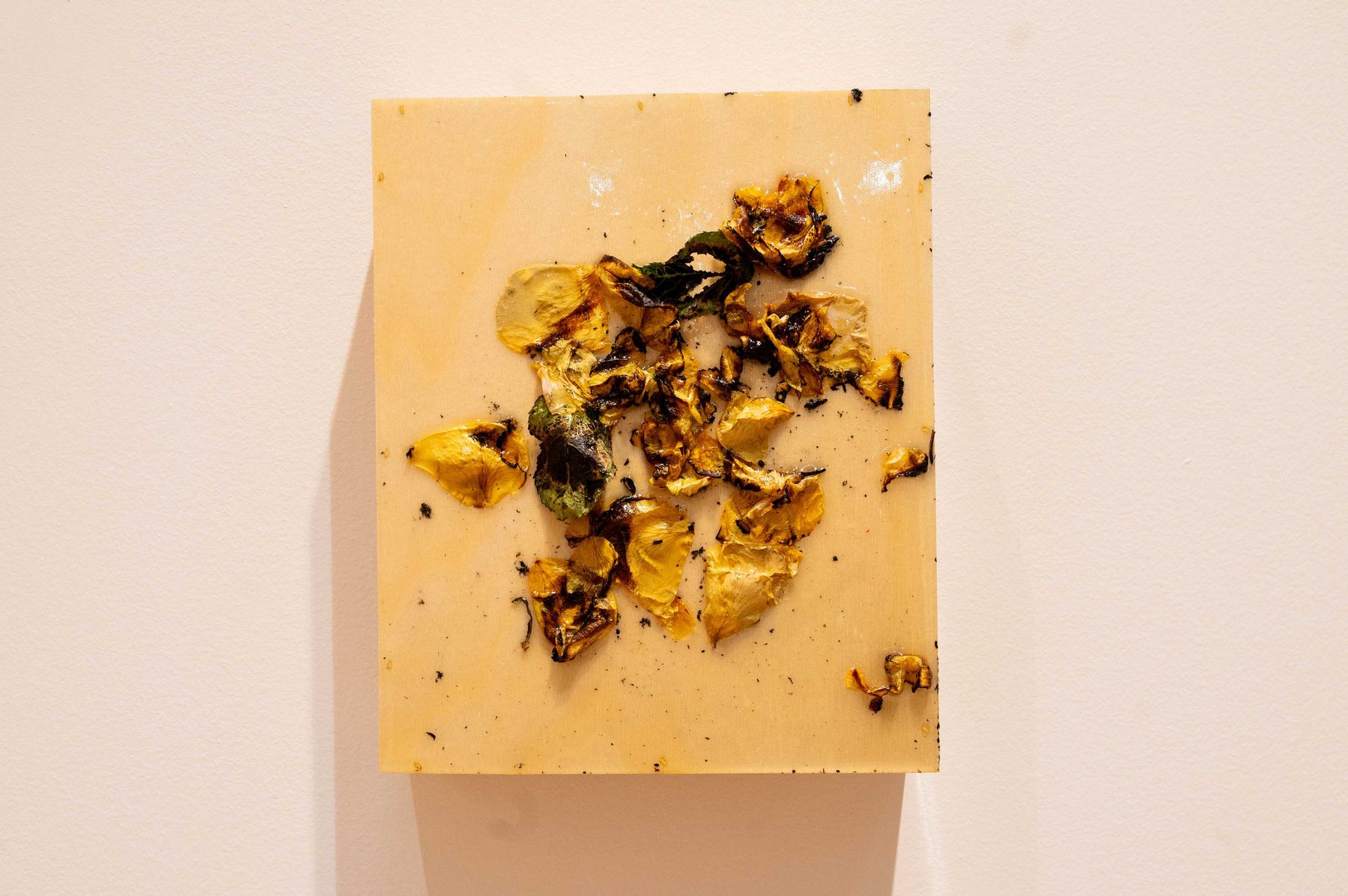
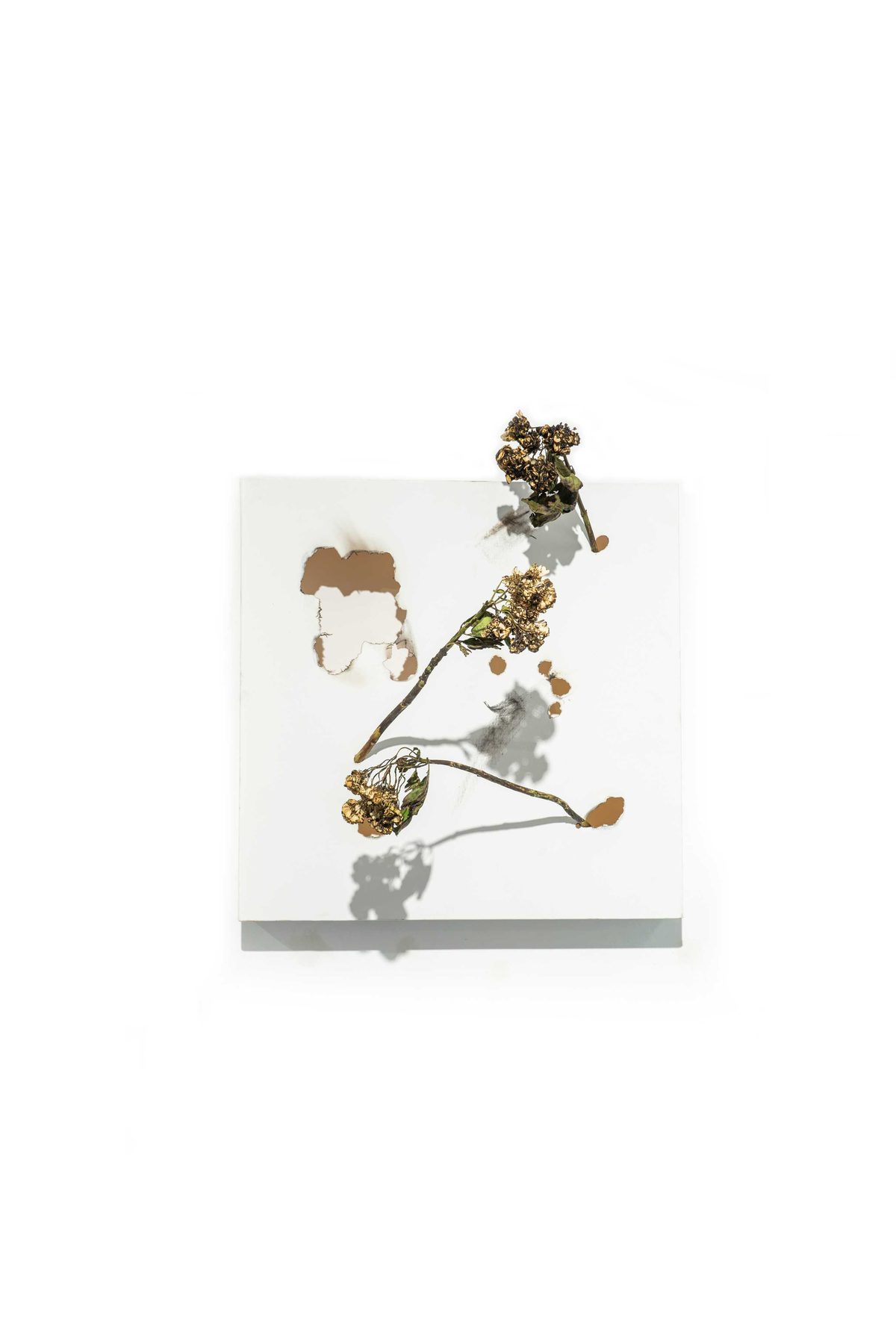
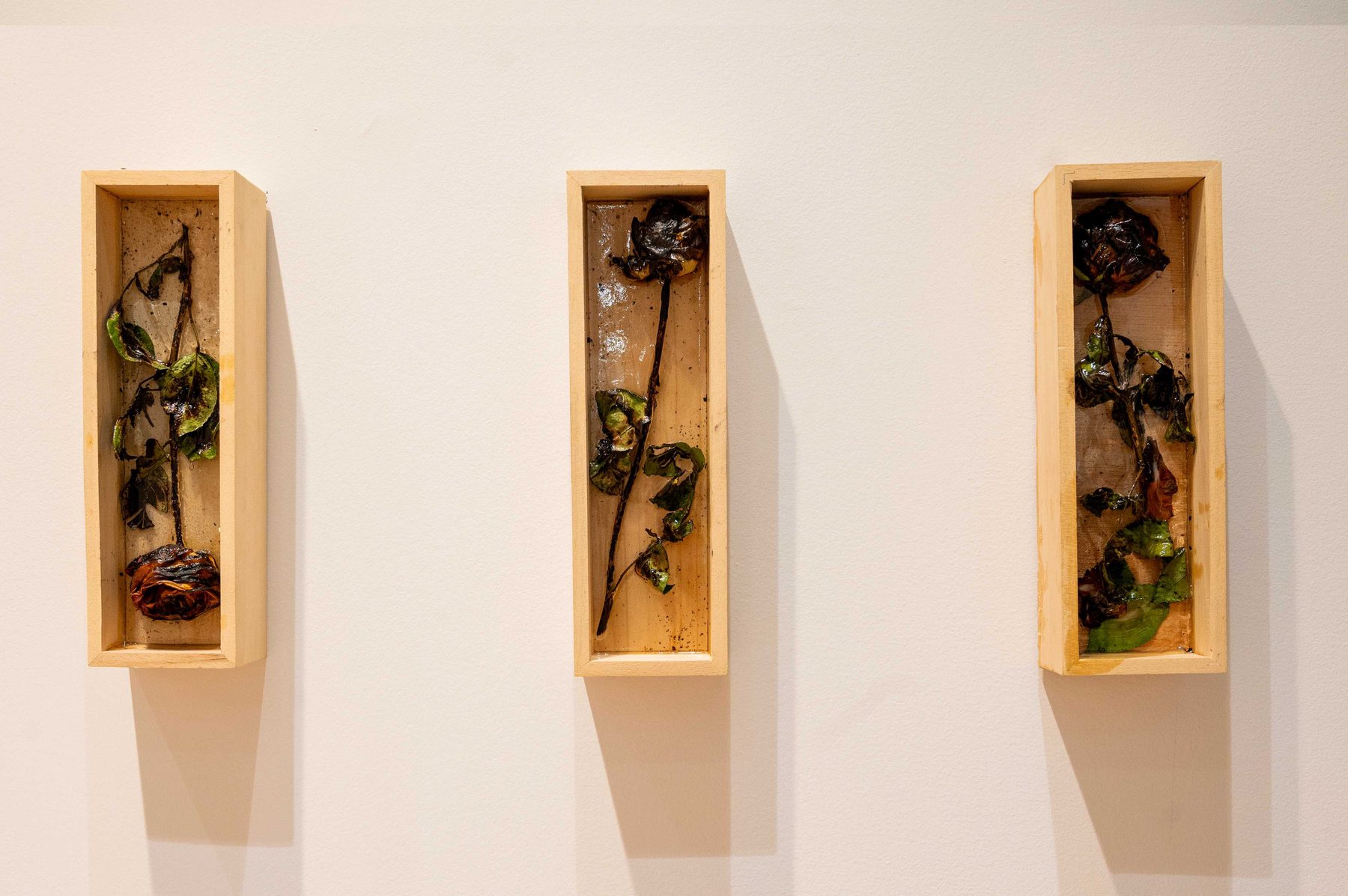
Transition explores impermanence, dematerialization, and emotional transformation through flowers in altered material states. Informed by the cultural practice of cremation in Japan, dissolution operates as a perceptual transition between presence, absence, memory, and acceptance.

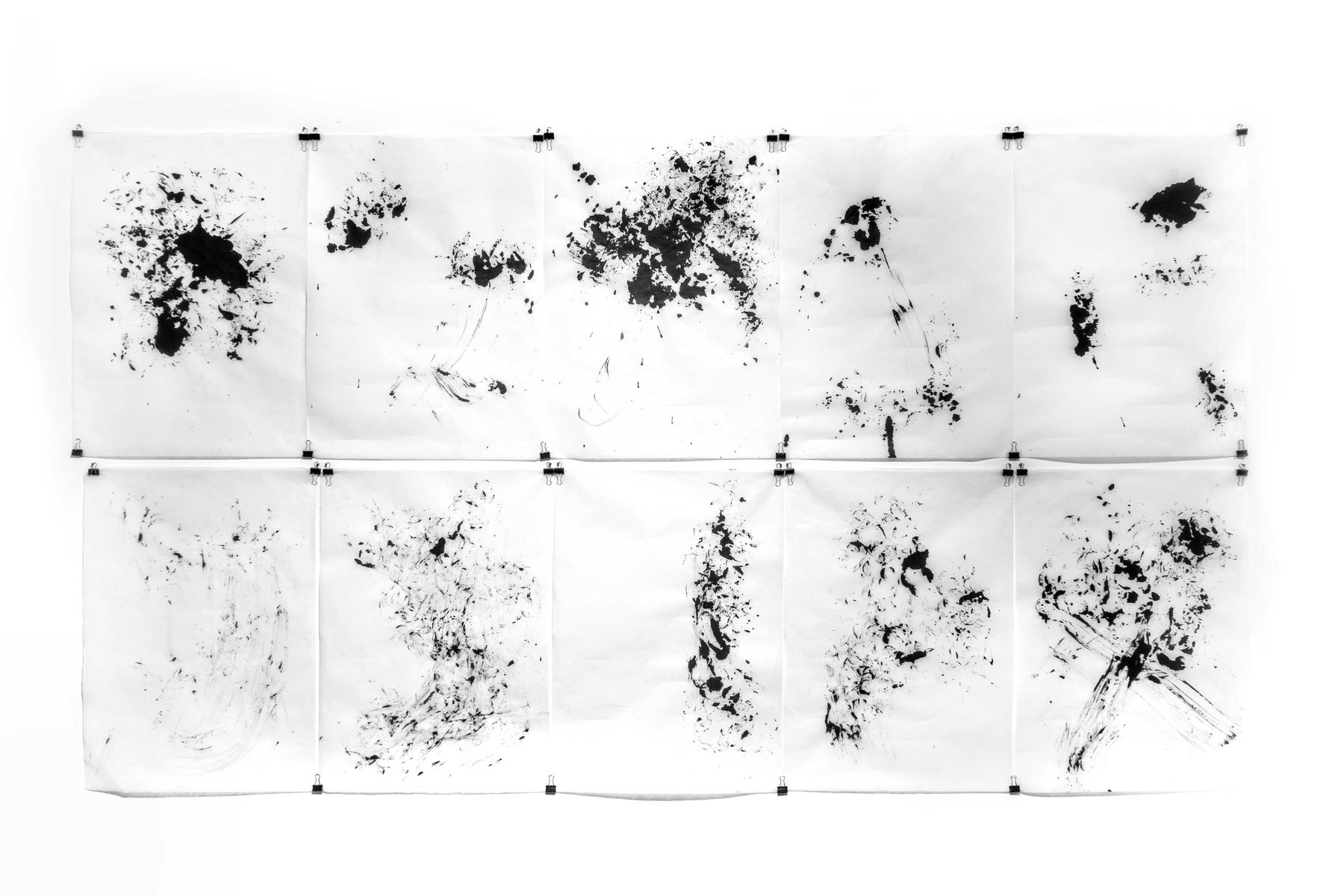
Burned flowers are preserved beneath resin while rapidly executed ink works resist permanence — the series oscillates between fixation and disappearance. Impermanence is treated not as a symbolic theme, but as a structural condition underlying material existence, emotion, and memory itself.

The Decomposition of Memory and the Search for a New Meaning No. 1
The Decomposition of Memory… No. 12024 · Flower and resin on wood · 22 × 27 cm
Transition — Memory of Loss and Desire to Forget
Memory of Loss and Desire to Forget (No. 1–3)2024 · Flower and resin on wood · 30 × 8 cm
Transition — burned flower on panel
Transition — Untitled (Burned Flower)Flower and resin on wood
Transition — ink on Japanese paper
Transition — Untitled (Ink Series)Ink on Japanese paper
Transition — ink works on Japanese paper
Transition — Untitled (Ink on Japanese paper)Ink on Japanese paper
Funeral Is The Most Beautiful Moment in The Process Of Life
Funeral Is The Most Beautiful Moment in The Process Of Life2023 · Flowers on canvas · 50 × 50 cm
04 / Series

Resilient Bloom

Between good and evil

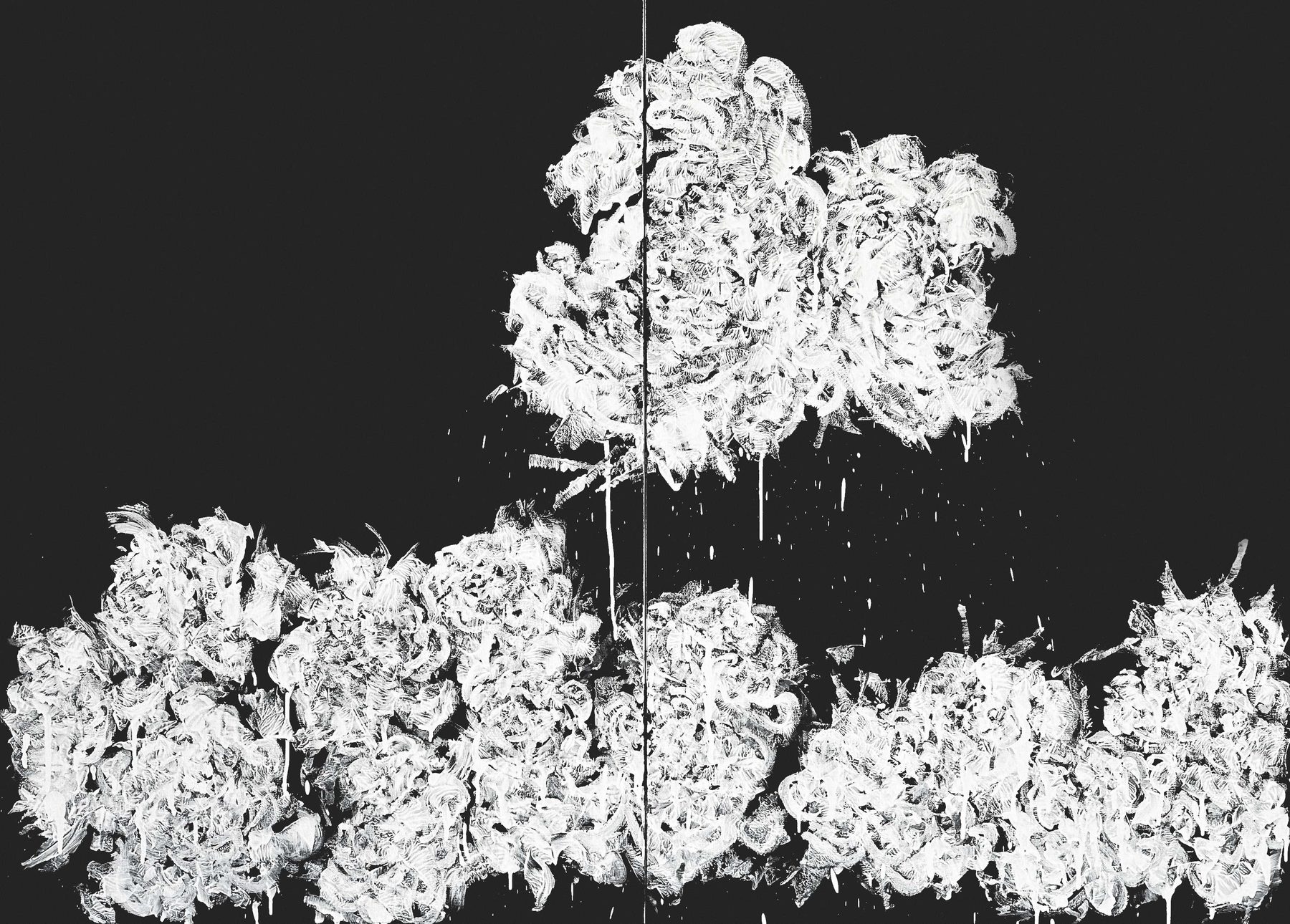
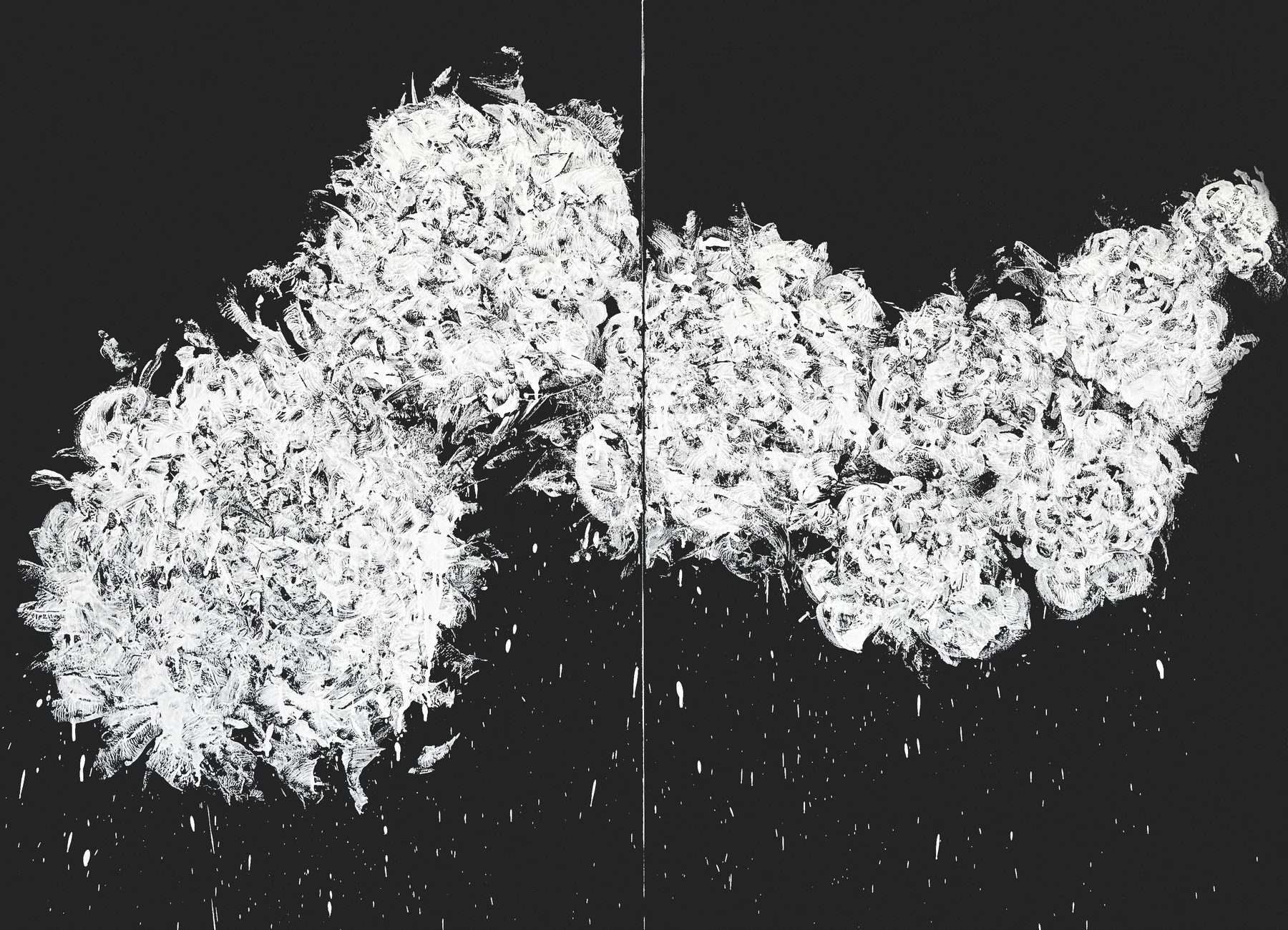
Resilient Bloom examines the instability of moral categories and the tension produced by social judgment, cultural displacement, and collective systems of value. Through monochromatic chrysanthemum compositions, the series investigates how "good" and "evil" are continuously shaped, performed, and negotiated rather than fixed.

Drawing on traditional Japanese tattoo culture, the chrysanthemum becomes a shifting signifier through which attraction, vulnerability, aggression, mourning, and transformation coexist — a resilient form capable of holding contradiction and ambiguity at once.

Atonement and Purification
Atonement and Purification2025 · Mixed media on canvas · 116 × 162 cm
Guilt and Its Chain
Guilt and Its Chain2025 · Acrylic on canvas · 130 × 178 cm